

You've probably returned a movie late at least once in your life. We all have.
That feeling of dread when you realize you forgot to return that DVD? It's universal.
But for Reed Hastings, one $40 late fee didn't just ruin his day – it sparked a revolution that would destroy a $8.4 billion giant and transform how we watch everything.
Blockbuster's Empire: The Unstoppable Giant (1999)
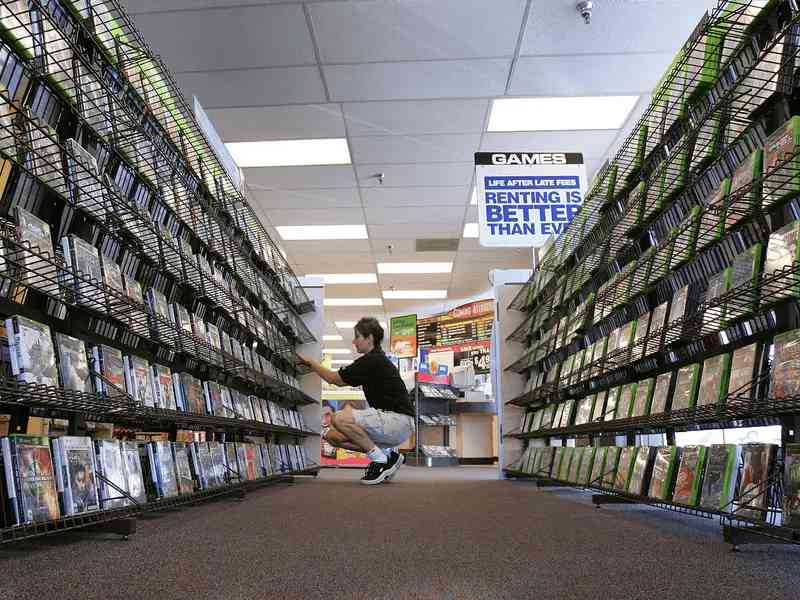
Before Netflix, Blockbuster wasn't just big – it was unstoppable:
- 9,000+ stores worldwide
- $8.4 billion market value
- 65 million active members
- 50 million weekly store visits
The Late Fee Money Machine
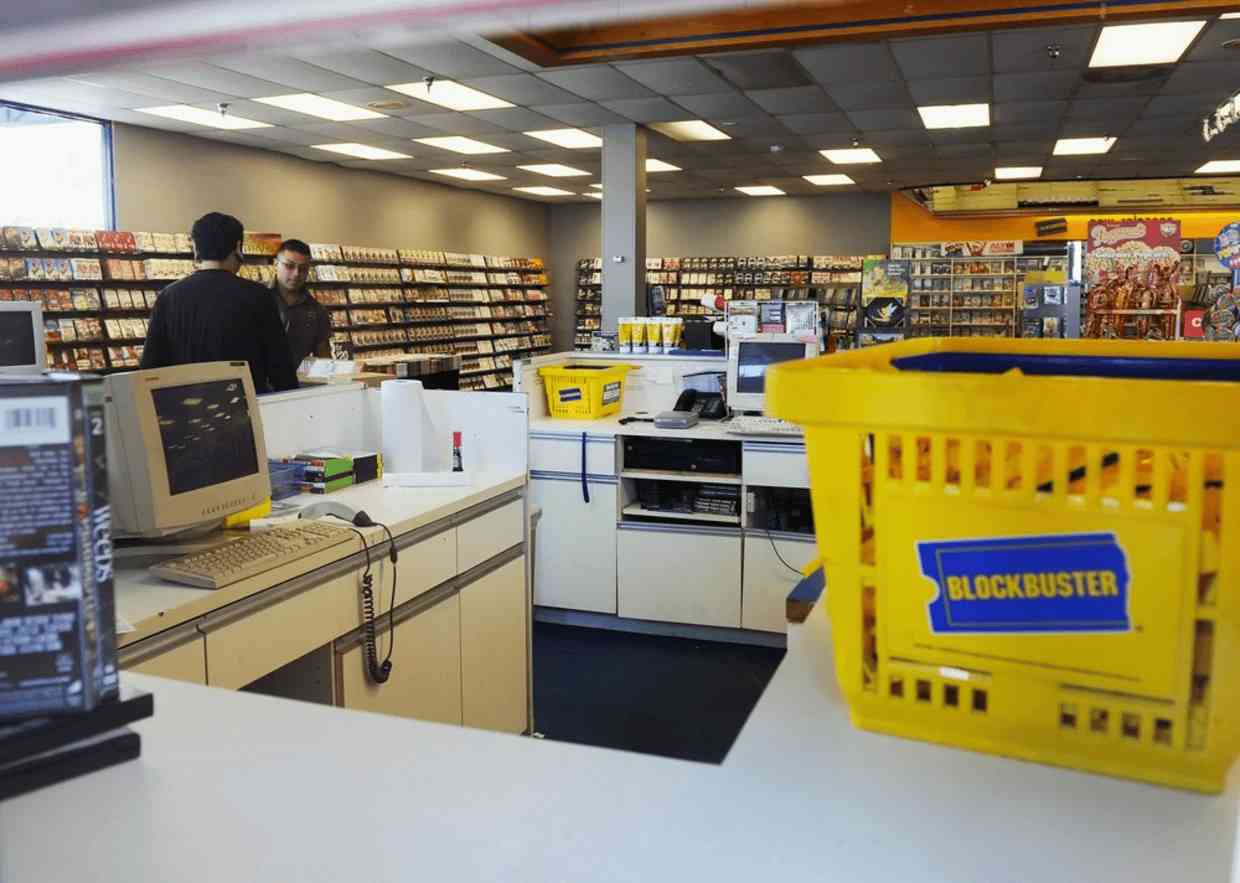
Blockbuster's business model relied on something everyone hated but nobody could avoid:
- 16% of their revenue came from late fees
- $800 million in annual late fee revenue
- 66% profit margins on rentals
- Customers despised the policy, but had no alternative
The Netflix Revolution Begins

When Reed Hastings got charged $40 for returning "Apollo 13" late, he asked a simple question: What if late fees just... disappeared?
Industry experts called it business suicide:
- "You'll lose millions"
- "Customers will keep everything"
- "The math doesn't work"
Netflix's Groundbreaking Model
Netflix launched with a radical proposition:
- $19.95 monthly subscription
- Keep DVDs as long as you wanted
- Zero late fees
- Up to 3 DVDs at once
The David vs Goliath Battle
Netflix's growth shocked the industry:
- 1999: 239,000 subscribers
- 2001: 856,000 subscribers
- 2003: 1.5 million subscribers
Blockbuster's CEO John Antioco famously dismissed Netflix as "a very small niche business." This would prove to be one of the most expensive miscalculations in business history.
Blockbuster's Fatal Mistake
By 2004, Blockbuster finally realized the threat and launched their own subscription service. But they made a critical error: keeping both stores and late fees, arguing:
- "Store revenue is too valuable"
- "Late fees are profitable"
- "Our brand is too strong"
The Fall of an Empire
Netflix's unstoppable rise:
- 2005: 4.2M subscribers
- 2007: 7.5M subscribers
- 2009: 11.1M subscribers
Meanwhile, Blockbuster crumbled:
- Accumulated $1.2 billion in debt
- Closed stores weekly
- Experienced mass customer exodus
The End and The Beginning
2010 marked the end:
- Blockbuster declared bankruptcy
- Netflix reached 20 million subscribers
- Netflix revenue hit $2.2 billion
- Netflix stock soared 219%
The $50 Million Mistake
In 2000, Reed Hastings offered to sell Netflix to Blockbuster for $50 million. They declined. Today:
- Netflix is worth over $240 billion
- Blockbuster's last store stands as a tourist attraction in Oregon
- Netflix has become the world's largest streaming service
Key Business Lessons
- Innovation beats size every time
- Customer pain points are golden opportunities
- Industry "rules" are meant to be questioned
- Pride blinds market leaders
- Sometimes destroying your revenue model is necessary for survival





Be the first to show love! 🚀
Start something amazing - your support inspires creators!