

Your history teacher probably never mentioned the world's most massive ancient construction project wasn't in China.
Picture this: A wall system so huge it could wrap around Earth's equator... twice. Deep moats that could swallow six-story buildings whole. A construction project that took 600 years and millions of hours of back-breaking labor to complete.
This wasn't the Great Wall of China.
This was the Walls of Benin - and the British made sure you'd never hear about it.
The Engineering Marvel Nobody Talks About
In what's now southern Nigeria, the Edo people built something that would make modern engineers scratch their heads. Starting around 800 AD, they began digging. And digging. And digging some more.
The numbers are mind-blowing:
- 16,000 kilometers of walls and moats (that's like digging from New York to Los Angeles... four times)
- Moats up to 20 meters deep - deep enough to hide a building
- Walls reaching 20 meters high - tall as a six-story building
- 150 million tons of earth moved - enough to build 65 Great Pyramids
The Guinness Book of Records called it "the world's largest earthworks carried out before the mechanical era." Yet most people have never heard of it.
Why? Because in 1897, the British didn't just conquer a city. They erased a wonder.
More Than Just a Wall - A Whole Different Level
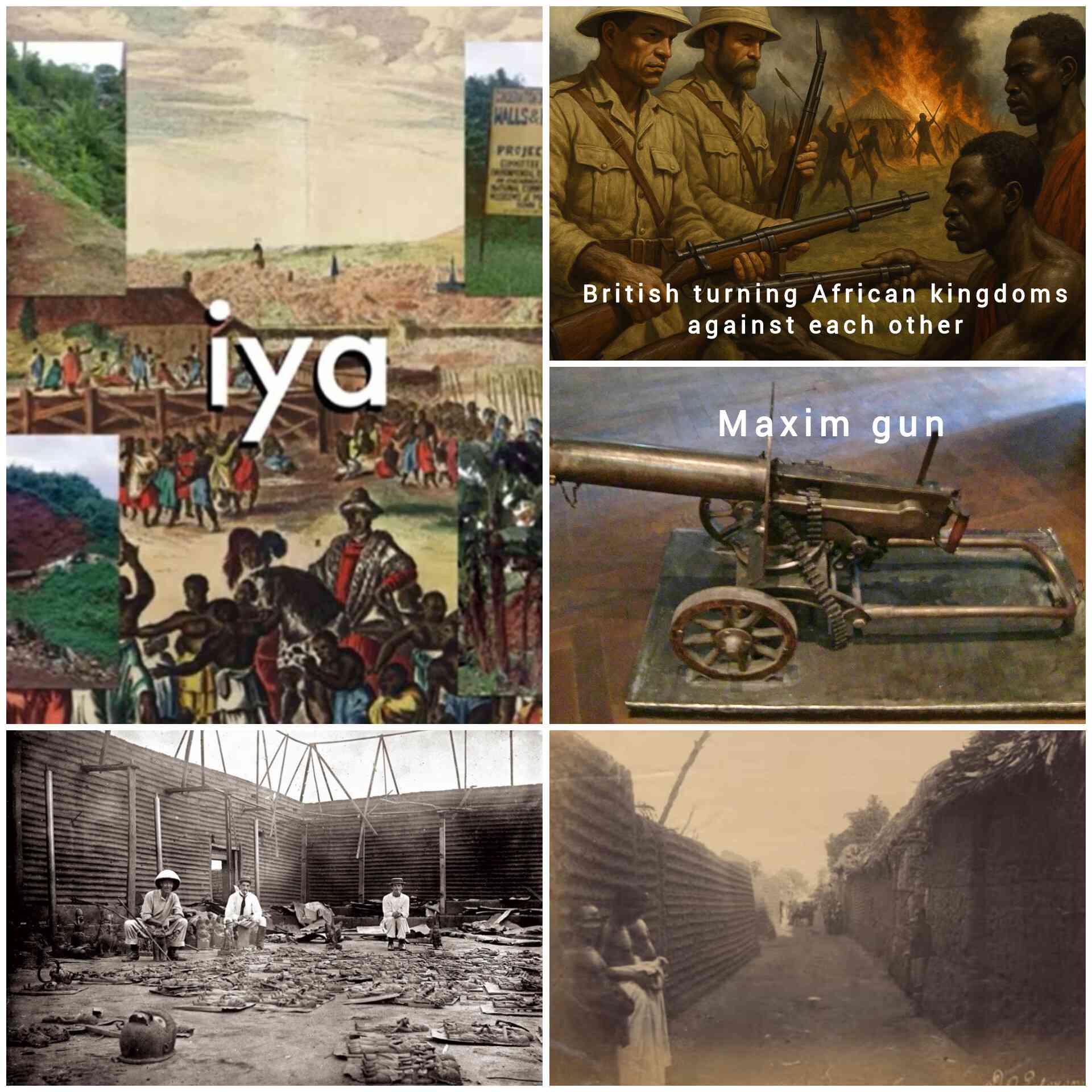
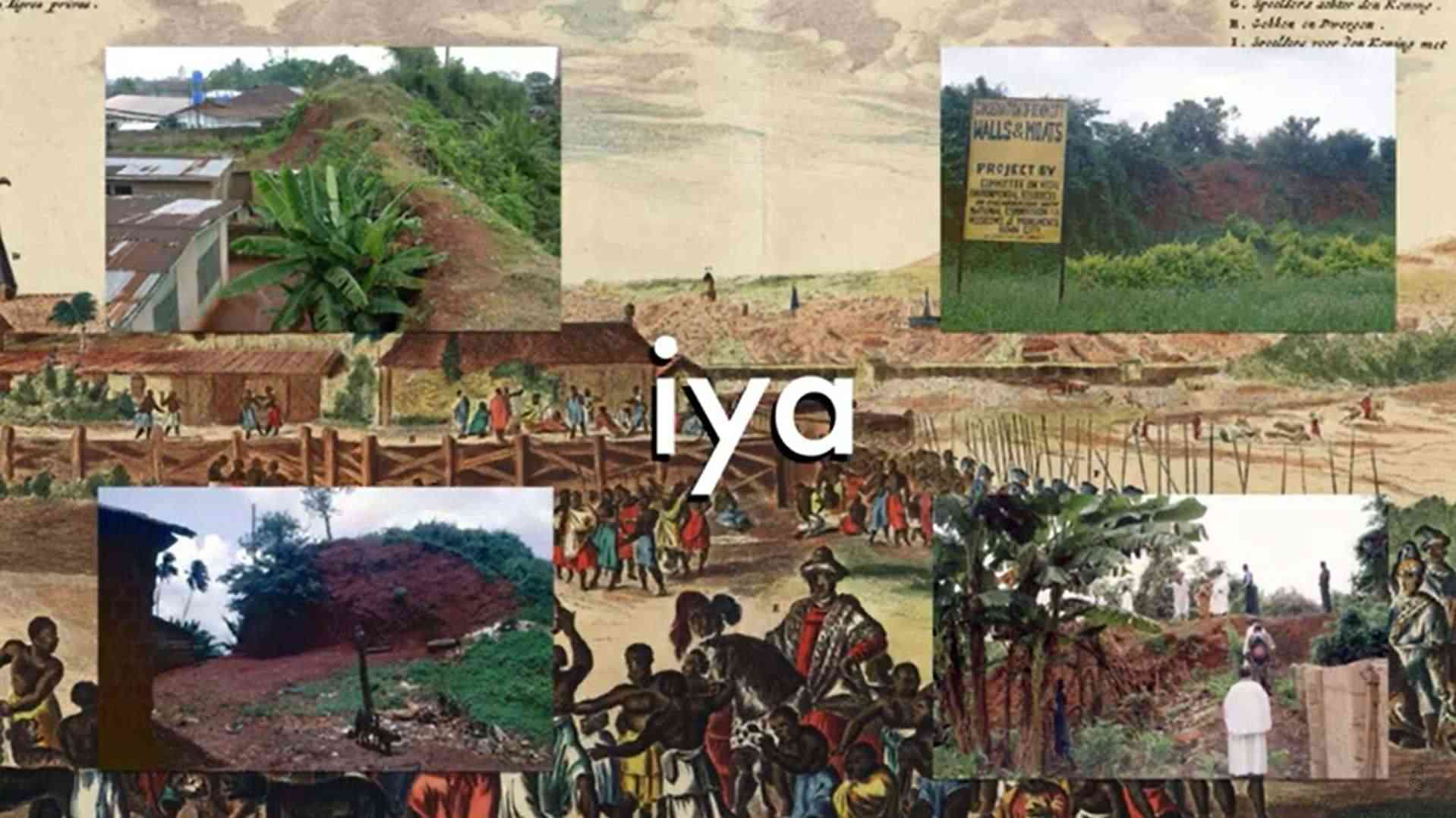
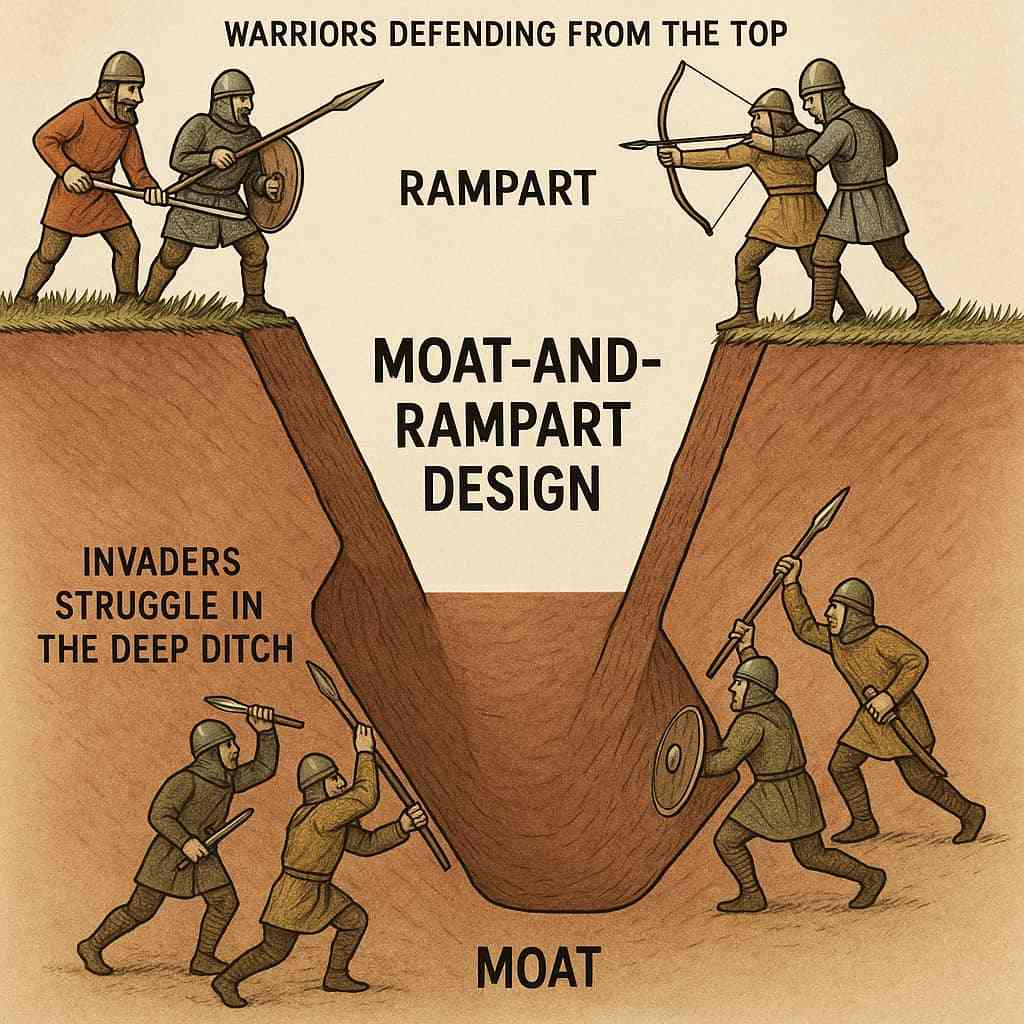
Here's what made the Benin Walls special: they weren't just walls. They were a combo of deep ditches (called "Iya" in the local language) and massive ramparts. The Edo people would dig these enormous moats, then use that earth to build walls on the other side.
Think about the genius of this design:
- Invaders had to first cross a moat 20 meters deep
- While climbing out, they'd face defenders on walls 20 meters high
- The walls were smooth and straight - no handholds for climbing
- Nine heavily guarded gates controlled all access to the city
This wasn't just defense. It was psychological warfare. Imagine approaching these walls as an enemy - you'd see massive earthworks disappearing into the horizon, protecting not just one city but 500 interconnected settlements.
The Math That Baffled Europeans
When Portuguese explorers first saw Benin City in the 1600s, they couldn't believe their eyes. The city wasn't just protected - it was organized in ways they'd never seen.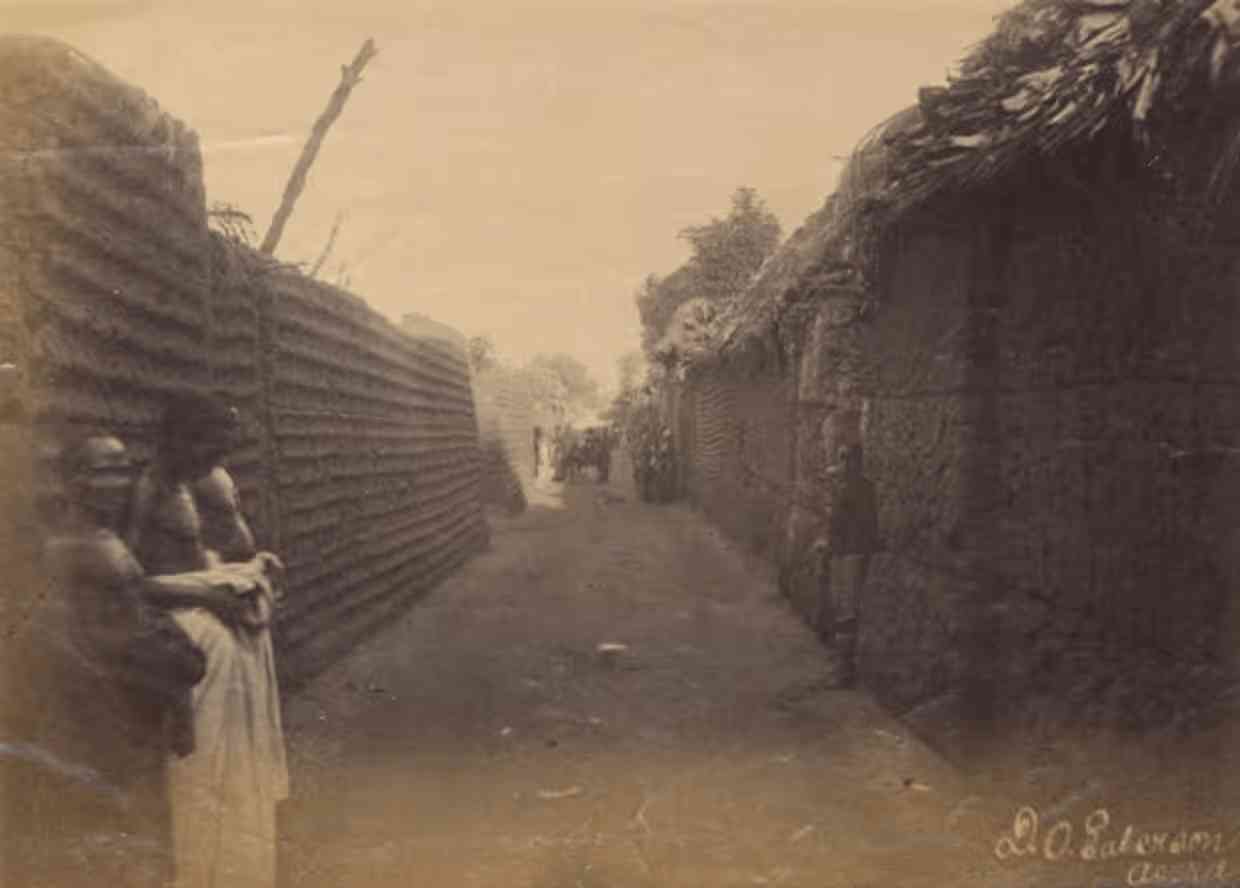
View along a street in the royal quarter of Benin City, 1897. Photograph The British Museum/Trustees of the British Museum
The streets? Perfectly straight and broader than anything in Europe at the time. The layout? A mathematical pattern that European minds couldn't understand. Houses didn't even have doors because crime was basically non-existent.
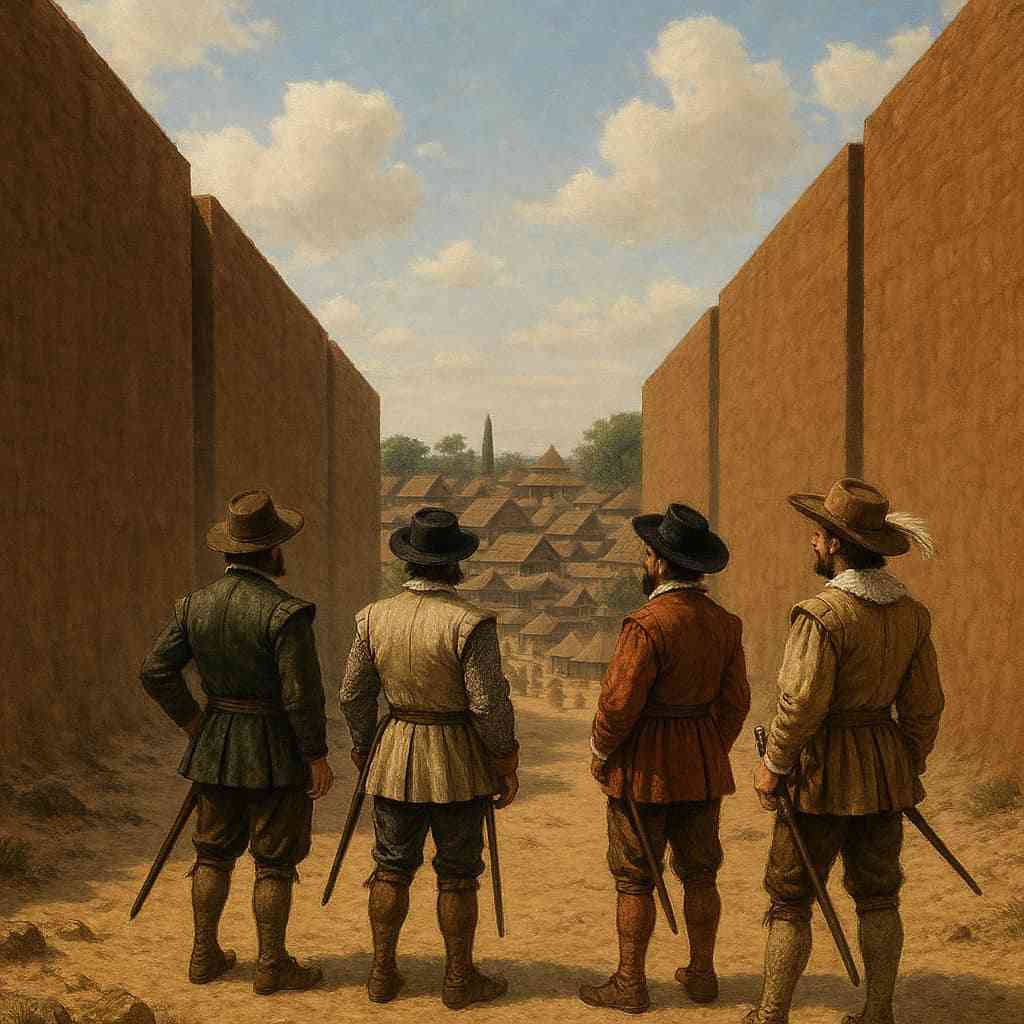
One Portuguese captain wrote that the walls were so perfect, they looked machine-made. Remember, this was the 1600s - there were no machines that could do this.
But here's the surprising part: when Europeans first arrived, they called African architecture "primitive" and "disorganized." They literally couldn't understand that Africans were using math concepts that Europeans hadn't discovered yet.
The Numbers Game: China vs Benin
People love comparing these walls to China's, so let's settle this once and for all.
The confusion comes from changing measurements:
- Old data: Great Wall of China = 8,850 km, Benin Walls = 16,000 km
- New data (2012): Great Wall of China = 21,000 km (after including every section ever built)
But here's what matters more than length:
Great Wall of China:
- Built by multiple dynasties over 2,000 years
- Different sections for different purposes
- Stone and brick construction
- Still standing (mostly)
Benin Walls:
- Built by one civilization with one goal
- Continuous project over 600 years
- Earth construction (way harder to preserve)
- 90% destroyed by colonizers
The real tragedy? The Great Wall gets 24 million tourists yearly and generates $3 billion. The Benin Walls? Described as "lost without a trace" in 2016.
Other African Kingdoms That Were Just as Powerful
Benin wasn't alone. Africa had multiple advanced civilizations that Europe systematically destroyed:
The Ashanti Empire (Ghana)
- Had a government with checks and balances before the U.S. existed
- Fought FOUR wars against the British before falling
- Their golden stool was so sacred, they hid it rather than let colonizers take it
The Sokoto Caliphate (Northern Nigeria)
- One of the largest states in Africa
- Had a written constitution and organized government
- Fell to the British in 1903
The Kingdom of Kongo (Angola/DRC)
- Had ambassadors in Europe in the 1400s
- Portuguese slave traders destroyed it from within
The Ethiopian Empire
- The ONLY African nation to defeat European colonizers
- Beat Italy at the Battle of Adwa (1896)
- Stayed independent (except briefly in the 1930s)
The list goes on. Each kingdom had its own advanced systems, its own culture, its own achievements. All erased or diminished by colonialism.
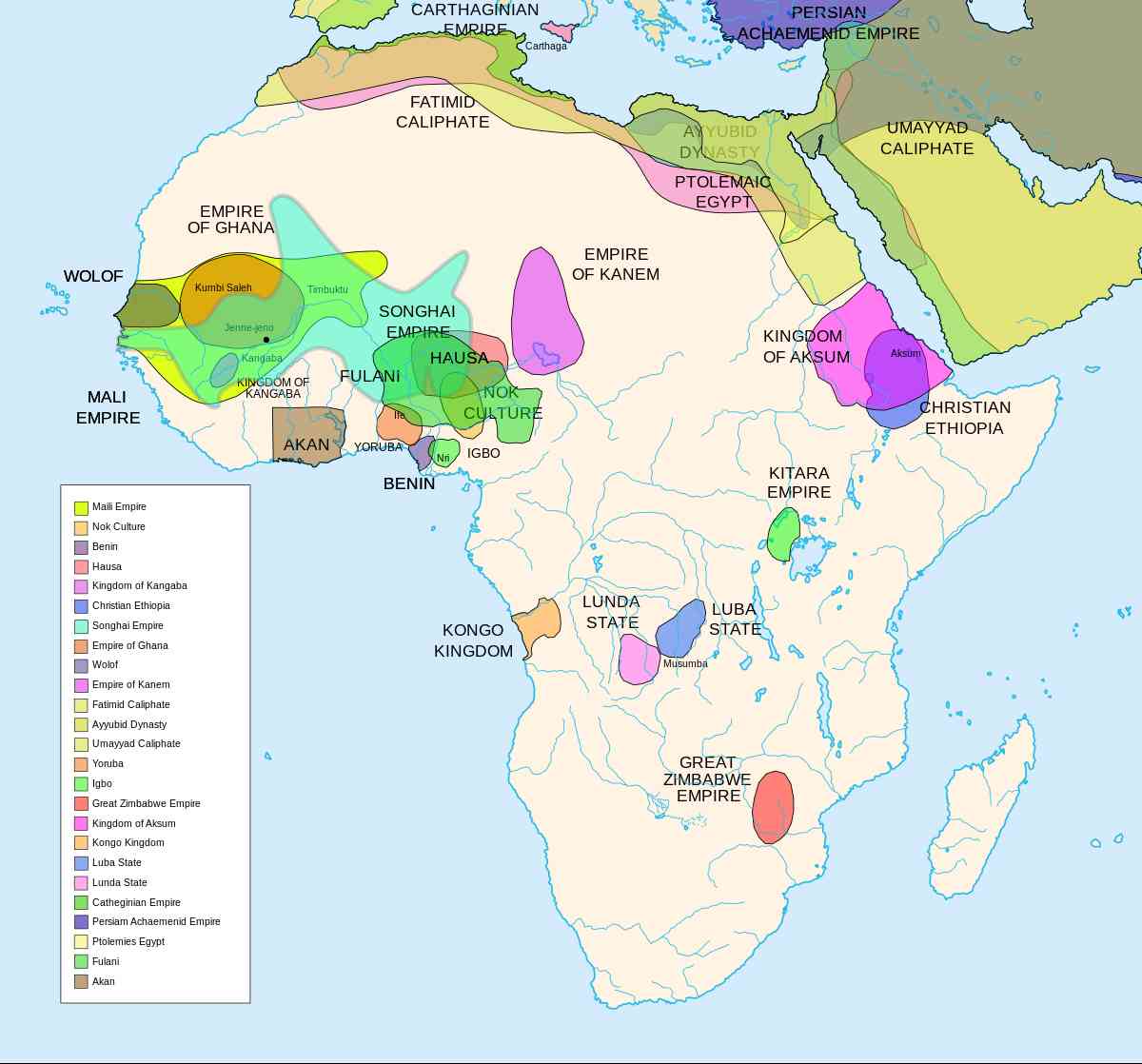
Map of Africa showing all the powerful kingdoms that existed before colonialism, with their traditional boundaries highlighted
How Britain Got the Power to Destroy
You might wonder - how did a small island nation get powerful enough to destroy something this massive? The answer makes the destruction even more painful.
Britain didn't become powerful through superior intelligence or culture. They got lucky with timing and, honestly, they cheated:
The Industrial Revolution Changed Everything
Starting in the 1760s, Britain figured out machines before anyone else. They had factories pumping out guns while African kingdoms were still crafting weapons by hand. It wasn't about being smarter - it was about who got to gunpowder and mass production first.
They Got Rich From Stealing
Before they could build factories, Britain needed money. Where'd they get it?
- Piracy (they called it "privateering" to sound fancy)
- The slave trade (stealing people to steal their labor)
- Looting India's wealth
- Taking resources from the Americas
They literally stole their startup capital, then used it to build more weapons to steal more stuff. Like a violent pyramid scheme that worked.
Divide and Conquer - Their Favorite Game
The British were masters at turning African kingdoms against each other. They'd give guns to one group to fight another, then when both were weak from fighting, they'd swoop in and take over. They did this everywhere - Nigeria, India, the Americas. Same playbook, different victims.
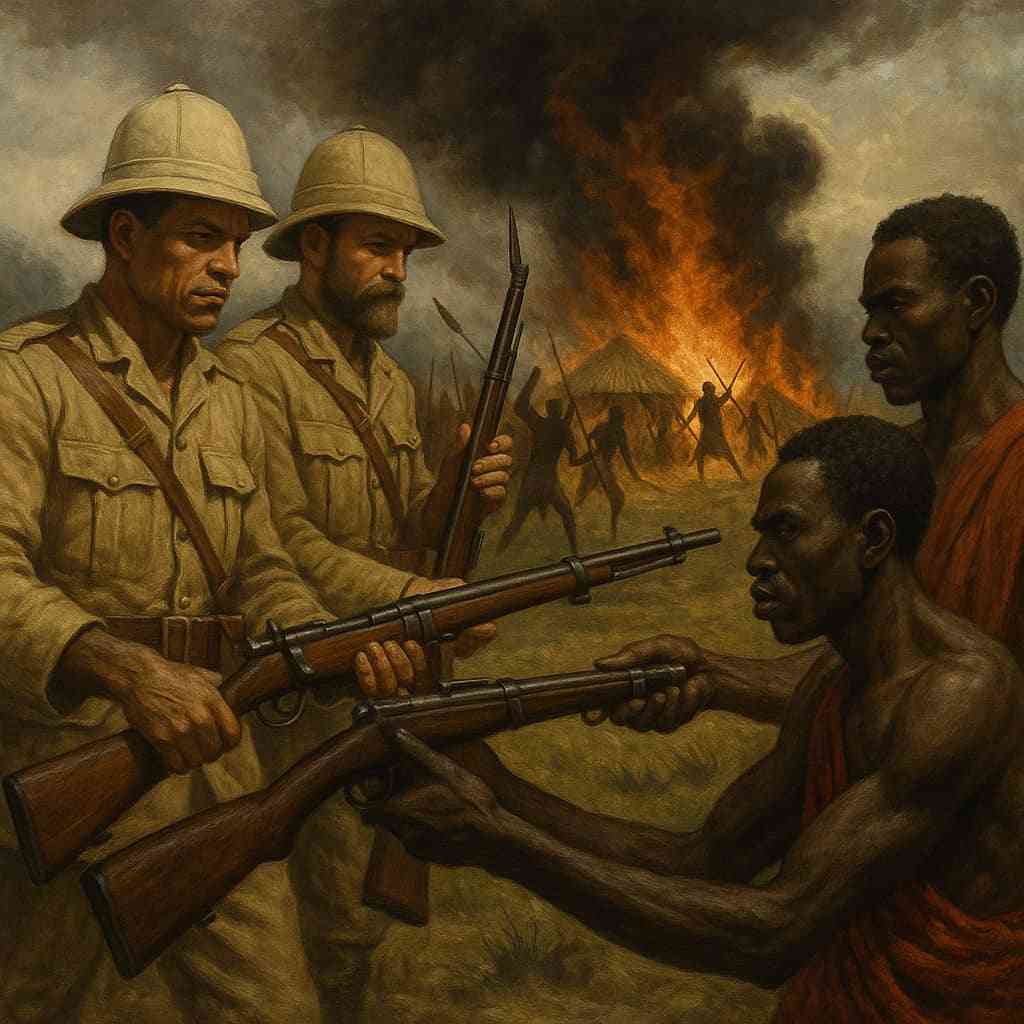
What Really Made the Difference
Here's the brutal truth about why Europe conquered Africa:
By the time Britain invaded Africa, the Industrial Revolution had given them:
- Mass-produced rifles vs handcrafted weapons
- Maxim guns that could fire 600 rounds per minute
- Quinine to survive malaria (stolen knowledge from South America)
- Steamships that could navigate rivers
- Telegraphs for instant communication
It wasn't about intelligence or civilization. It was about who industrialized first. And Britain industrialized using wealth stolen from... Africa and Asia. The irony is sickening.
Why Britain Attacked Benin
By the 1890s, Britain wanted total control of West African trade. But Benin was a problem because:
-
Trade Control: The Oba (king) controlled all trade, especially palm oil and rubber. Europeans couldn't just walk in and take what they wanted like they did elsewhere.
-
Benin Refused to be Colonized: While other kingdoms were signing treaties, Benin kept saying no. The Oba restricted British access, controlling who could trade and when.
-
The "Incident": In January 1897, a British official named James Phillips decided to force his way to Benin City during a sacred ceremony. The Oba's generals attacked and killed Phillips and most of his party.
-
The Excuse They Wanted: The British used this as their excuse for a "punitive expedition" - but really, they'd been looking for any reason to break Benin's power.
The Destruction That Changed History
February 18, 1897. That's the day everything changed.
The British launched what they called a "punitive expedition" with 1,200 troops armed with modern rifles, maxim guns (early machine guns), and artillery. Against them, the Benin warriors had spears, some old guns, and incredible courage.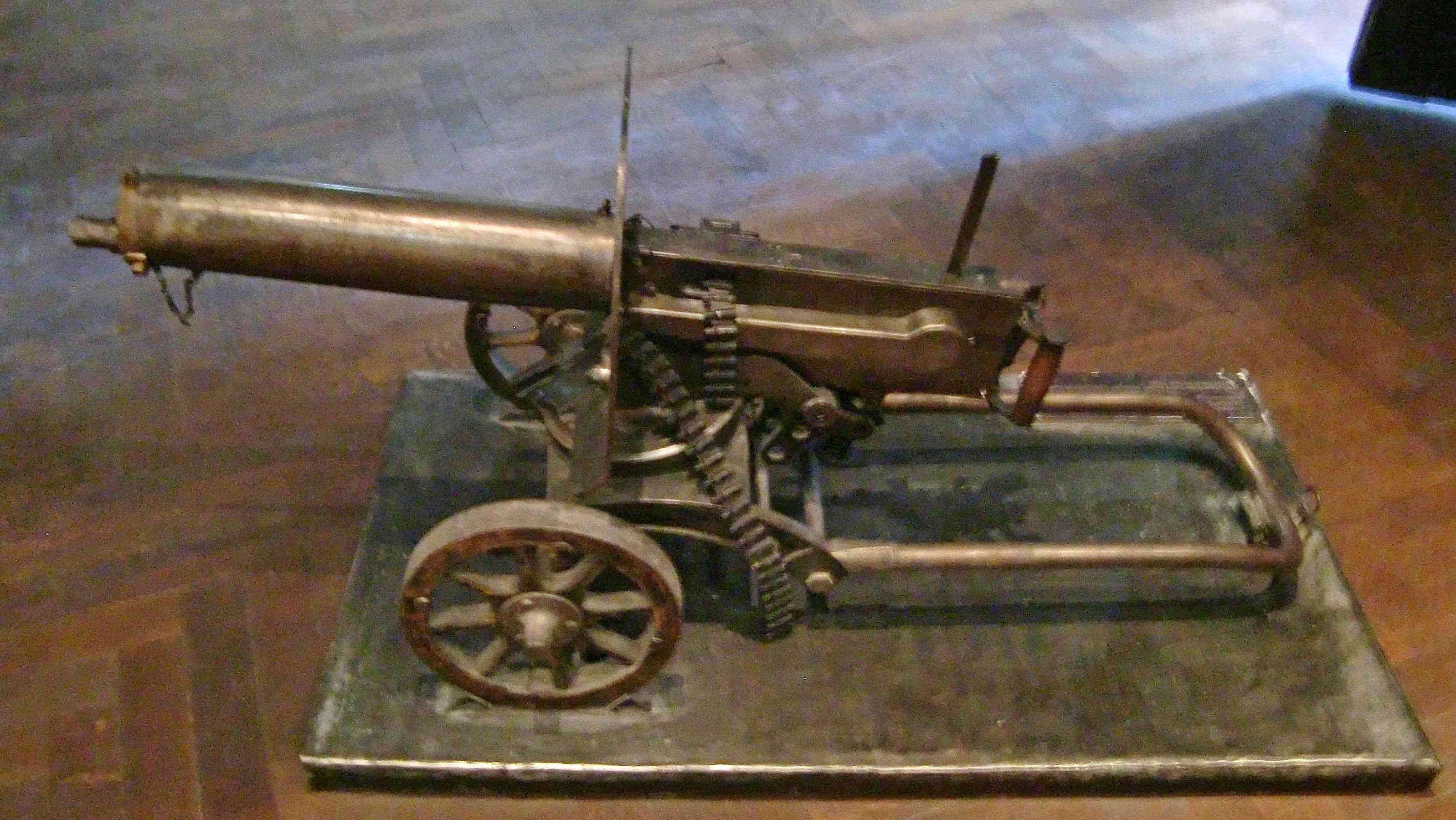
Maxim gun
It was like bringing a knife to a machine gun fight.
They didn't just breach the walls. They:
- Burned the entire city to the ground
- Killed thousands of people (they never bothered counting African deaths)
- Looted over 4,000 bronze artworks (the famous Benin Bronzes)
- Destroyed the walls that had stood for nearly 1,000 years
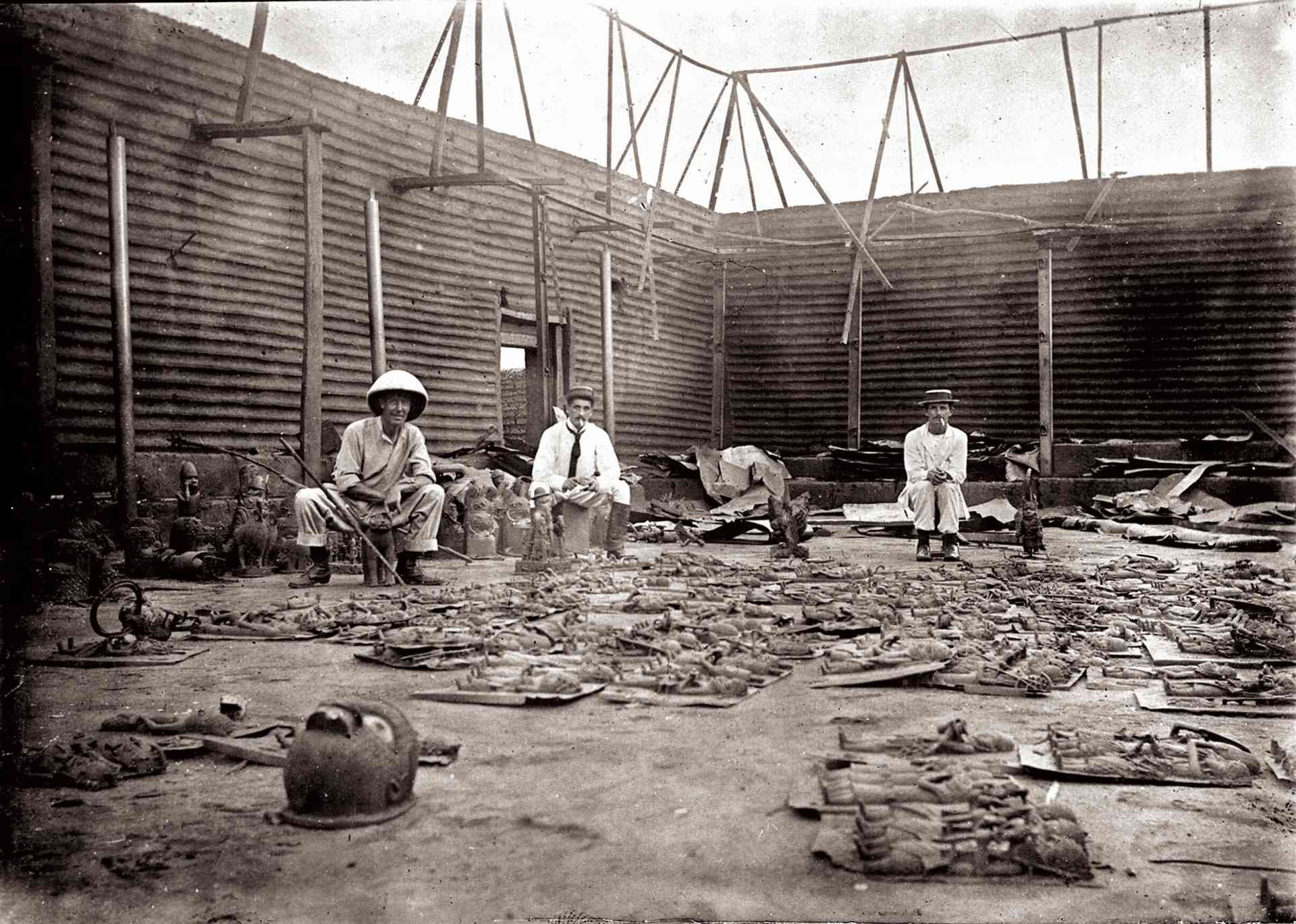
Interior of Oba's compound burnt during siege of Benin City (present day Nigeria), with bronze plaques in the foreground and three British soldiers of the Benin Punative Expedition 9-18 February 1897
But here's what really hurts: those walls weren't just fortifications. The moats and ramparts recorded history. Each section told stories of the communities that built them over centuries. When the British destroyed the walls, they didn't just tear down a structure - they erased a civilization's memory.
What's Left Today (And Why It Matters)
Today, you can still find pieces of the walls around Edo State. But they're disappearing fast. Locals use the ancient earth for building materials. Real estate developers bulldoze sections for new developments. What took 600 years to build is being erased in decades.
Pieces of the walls around Edo State. Some even used as refuse dump today.
Recent archaeology projects, like the one by the British Museum and Nigerian archaeologists, are trying to understand what remains. They're finding preserved buildings, elaborate pavements, and artifacts that show just how advanced this civilization was.
But archaeology can't bring back what's lost. Those 16,000 kilometers of walls held more than earth - they held identity, history, and proof that African civilizations were building wonders when London was still a muddy town of 50,000 people.
The Modern Divide and Conquer
That divide-and-conquer strategy? It never ended. It just got more subtle.
Today, instead of giving guns to different groups, they:
- Sell weapons to governments AND mysteriously those weapons end up with rebels
- Keep stolen money in Western banks while preaching about corruption
- Take Africa's brightest minds through "brain drain" visa programs
- Fund NGOs that push certain agendas while looking helpful
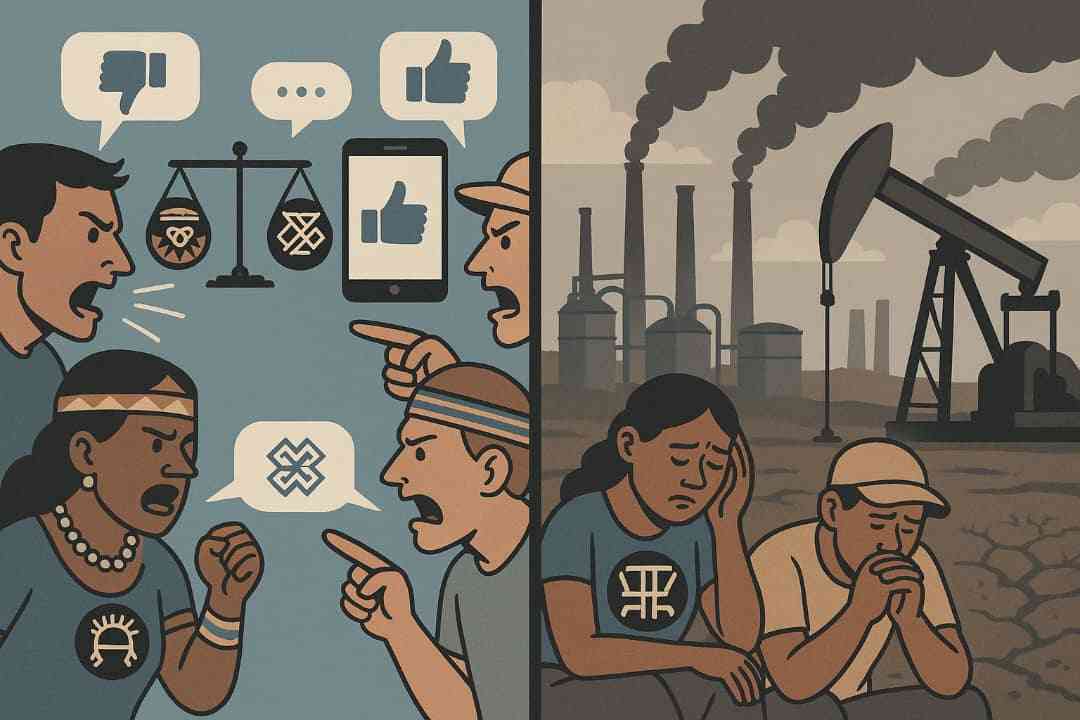
While Nigerians fight about tribe and religion on Twitter, oil companies pollute everyone's land. While we argue about who's "more Nigerian," foreign companies own our resources. They keep us so busy fighting each other, we can't organize against the real thieves.
The Lesson Hidden in the Ruins
Here's what the Walls of Benin really teach us: history isn't just written by the winners - it's literally demolished by them.
Every time someone says Africa has no history, remember the walls. Remember that it took the British military to destroy what the Edo people built with their bare hands. Remember that European "explorers" saw mathematical perfection and called it primitive because it didn't match their worldview.
The walls might be mostly gone, but their message remains: African civilizations weren't just advanced - they were so advanced that colonizers had to destroy the evidence.
We're not descendants of slaves and colonized people. We're descendants of engineers who built 16,000km walls, of mathematicians who designed cities in patterns Europeans couldn't understand, of metallurgists who created art that still can't be replicated.
Next time someone mentions the Great Wall of China, tell them about the walls nobody talks about. Tell them about 16,000 kilometers of African genius, buried under colonial lies and modern ignorance.
Because some walls aren't just built to keep enemies out. They're built to keep truth in.
And truth, like the Edo people knew, always finds a way to surface.









Be the first to show love! 🚀
Start something amazing - your support inspires creators!