


Wait, your coffee habit could cause brain shakes? 😱
Imagine sitting at your desk, trying to focus, when suddenly it feels like someone's zapping electricity through your skull. You haven't touched alcohol in weeks, but somehow you're shaking worse than a leaf in a hurricane. Or maybe you've been eating clean for three days and now you're ready to sell your soul for a donut.
Sound familiar? You're not losing your mind. You're experiencing withdrawal, and it's way more common (and weird) than most people realize.
The Hidden World of Withdrawal
Here's something that'll blow your mind: withdrawal can occur from delirium tremens (which most people don't even know about and can result in death if not treated quickly) in alcohol addiction. But that's just the tip of the iceberg.
If you also think withdrawal only happens with hard drugs or alcohol, well, I'm about to change your mind.
Your brain is basically a chemical factory, and anything that messes with its production line, from sugar to social media, can leave you feeling like you're going through a breakup with your own body when you quit.
1. Alcohol Withdrawal: When Your Body Turns Against You
Let's start with the scariest one. According to the National Institutes of Health, delirium tremens can be fatal in up to 37 percent of cases without medical treatment. Yeah, you read that right. Over one-third.
But here's what most people don't know about alcohol withdrawal:
The Terrifying Timeline
- Day 1-2: You feel anxious, shaky, maybe a bit sweaty. "Just a hangover," you think.
- Day 3-5: This is when things get real. Delirium tremens typically occurs only in people with a high intake of alcohol for more than a month, followed by sharply reduced intake
- The Horror Show: The main symptoms of delirium tremens are nightmares, agitation, global confusion, disorientation, visual and auditory hallucinations, tactile hallucinations, fever, high heart rate, high blood pressure, heavy sweating
The Creepy Part Nobody Talks About
Other common symptoms include intense perceptual disturbance such as visions or feelings of insects, snakes, or rats. These may be hallucinations or illusions related to the environment. People literally feel bugs crawling on their skin, a phenomenon called formication.
One recovering alcoholic described it: "I was convinced there were spiders under my skin. I could see them moving. Feel them. I scratched until I bled."
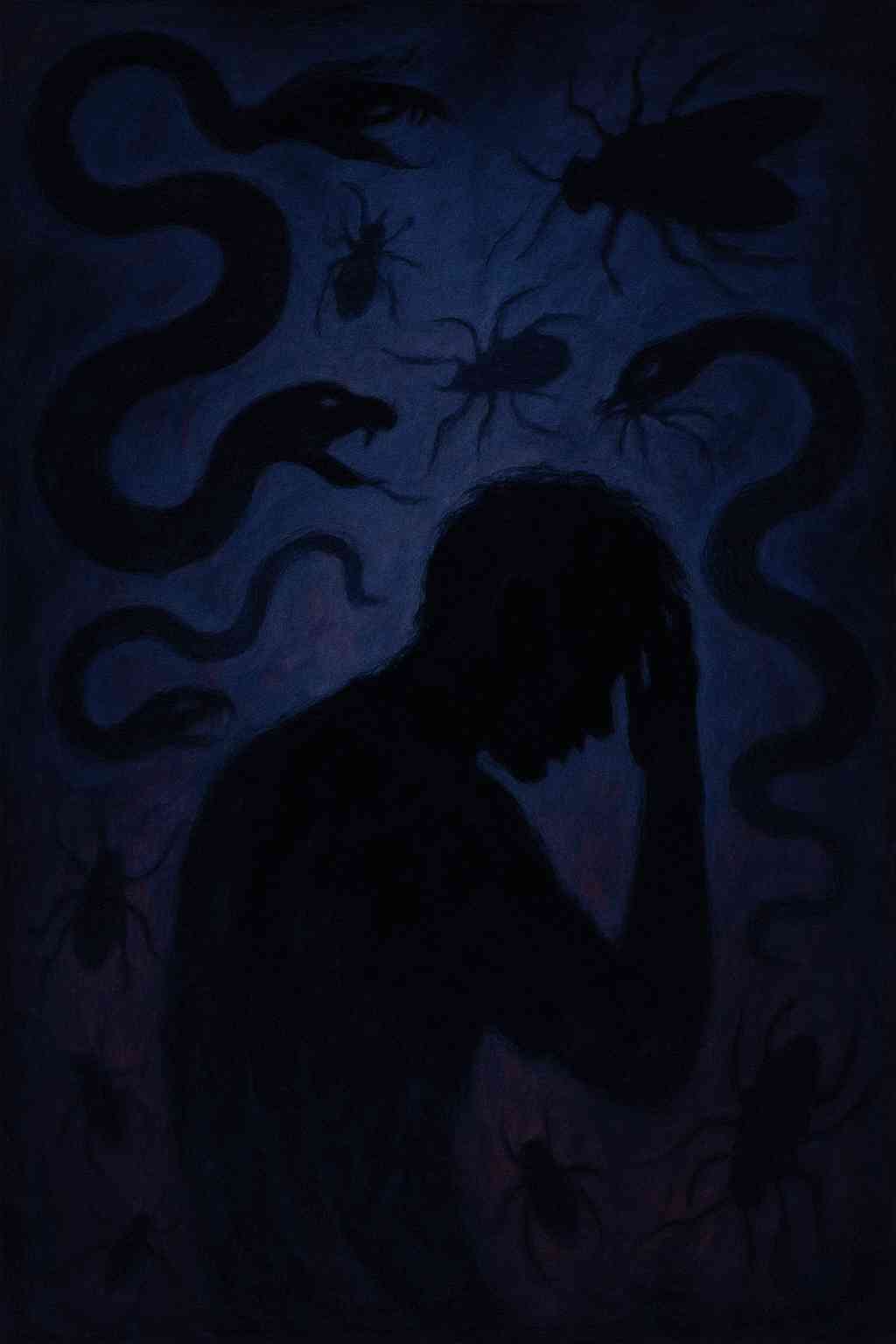
Alcohol withdrawal hallucinations - showing the frightening nature of these hallucinations
2. Benzodiazepine Withdrawal: The Silent Nightmare
Think Xanax and Valium are safer than street drugs? Think again. switching patients from lorazepam to diazepam may require cross-titration because withdrawal can be so severe.
Here's what happens when you stop benzos:
The Unexpected Symptoms
- Electric shock sensations throughout your body
- Feeling like your skin is burning
- Extreme sensitivity to light and sound (imagine every whisper feeling like a scream)
- Hallucinations and Increased sensitivity to light, smells, and sounds
The Scary Similarity
A similar syndrome may occur with benzodiazepine and barbiturate withdrawal to alcohol's delirium tremens. That means benzos can be just as deadly to quit cold turkey.
3. Antidepressant Withdrawal: The "Brain Zaps" Nobody Warned You About
This is where things get really weird. "brain zaps" has caused concern in patients stepping off of their SSRIs. But what the hell are brain zaps?
What Brain Zaps Feel Like
"Zaps are very similar to experiences I had after heavy weekends on ecstasy / MDMA in my younger years," Reddit user u/heliskinki wrote in a direct message. "My brain 'jumps' forwards and I get a tingling feeling in my lips."
"They feel like jolts of electricity that make me stutter and force me to slow down," explained u/CosmosisJone5
The Medical Mystery
Psychiatrists better understand a collection of symptoms that accompany stepping off of antidepressant use known as antidepressant discontinuation syndrome (ADS). But brain zaps still remain a bit of a mystery
Other symptoms include:
- You may experience "brain-zaps" — a feeling that resembles an electric shock to your head — or a sensation that some people describe as "brain shivers."
- Flu-like symptoms that aren't actually the flu
- Vivid, disturbing dreams
- Extreme irritability (like, wanting to punch walls level)
4. Caffeine Withdrawal: Your Daily Drug
Yeah, your morning coffee is a drug. Deal with it. And quitting? Typically, the onset of symptoms starts 12 to 24 hours after caffeine cessation, peaks at 20-51 hours, and may last up to two to nine days
The Symptoms Nobody Expects
The severity of symptoms vary from individual to individual, and most commonly include a headache, fatigue, decreased energy/activeness, decreased alertness, drowsiness, decreased contentedness, depressed mood, difficulty concentrating, irritability, and feeling foggy/not clearheaded
But here's the kicker: The incidence of a headache is about 50%, and the incidence of clinically significant distress or functional impairment is 13%. That means more than 1 in 10 people literally can't function properly when they quit coffee.
5. Sugar Withdrawal: The Legal High Nobody Talks About
Sugar is noteworthy as a substance that releases opioids and dopamine and thus might be expected to have addictive potential. Yeah, sugar works like drugs in your brain.
The Withdrawal Timeline
- Days 1-3: Intense cravings, headaches, fatigue
- Week 1: irritability, fogginess, moodiness, and low energy
- Week 2-4: Mood swings, depression, anxiety
The Science Behind It
Sugar consumption can have a powerful effect on the brain's production of dopamine, a neurotransmitter strongly associated with feelings of pleasure and reward
One person described sugar withdrawal: "It felt like I was coming off hard drugs. I was shaking, sweating, and would have murdered someone for a candy bar."
6. Gaming Withdrawal: When Virtual Worlds Become Real Addiction
Gaming urge symptoms include preoccupation, urge to game, and attempts to find a game to play. But it gets weirder.
The Symptoms Gamers Experience
Irritability and aggression are two common symptoms gaming addicts experience when they stop playing games
"My son has been without games for one week, and he attacked me last night. He body-slammed to the floor. I hit my head and now feel like I might need to visit the hospital. This shit is out of control. It just takes their minds.
The Brain Changes
Withdrawal symptoms, such as sadness, anxiety or irritability, when games are taken away or gaming isn't possible
7. Gambling Withdrawal: The Hidden Addiction
Someone suffering from a compulsive gambling problem will typically experience a broad range of gambling withdrawal symptoms that can be broken down into physical symptoms and emotional symptoms
Physical Symptoms Include:
- Heart palpitations
- Difficulty breathing
- Nausea
- Insomnia
- Mild tremors: Particularly noticeable in hands when extending arms
The Dopamine Connection
Whether the addict is abusing drugs, gambling, or a whole host of afflictions, the end result of the activity is the same: the brain releases dopamine, which makes us feel good
8. Exercise Addiction: When Healthy Goes Horrible
Yeah, you can get addicted to working out. "Exercise, like drugs of abuse, leads to the release of neurotransmitters such as endorphins and dopamine, which are involved with a sense of reward"
Withdrawal Symptoms:
- Depression: Exercise withdrawal results in depressive symptoms as the body no longer receives the regular endorphin and dopamine boosts that contribute to mood elevation
- Extreme anxiety
- Irritability
- Sleep disturbances
One runner described it: "I felt like I was dying when I couldn't run. My body ached, my mind raced, and I was angry at everything."
9. Porn Addiction: The Taboo Withdrawal
Let's talk about the addiction nobody wants to discuss. When you view porn, your brain releases feel-good chemicals like dopamine
The Withdrawal Reality
Mood swings: Craving something and not being able to satisfy that craving can lead to feelings of frustration, irritability, and agitation
Other symptoms include:
- Anxiety: Feelings of anxiety can be even more intense due to the discomfort of withdrawals, potentially resulting in panic attacks
- Depression: Some people turn to pornography as a coping mechanism for other emotional issues
- Brain fog
- Insomnia
10. Social Media/Internet Withdrawal: The Modern Plague
Like other forms of addiction, internet withdrawal also causes various behavioural and psychological symptoms which arise from stopping or abstaining from the use of the internet
Symptoms Include:
- There may be a feeling of boredom, anxiety, frustration, and anger
- Physical symptoms like headaches and nausea
- Sleep problems
- Obsessive thoughts about checking feeds
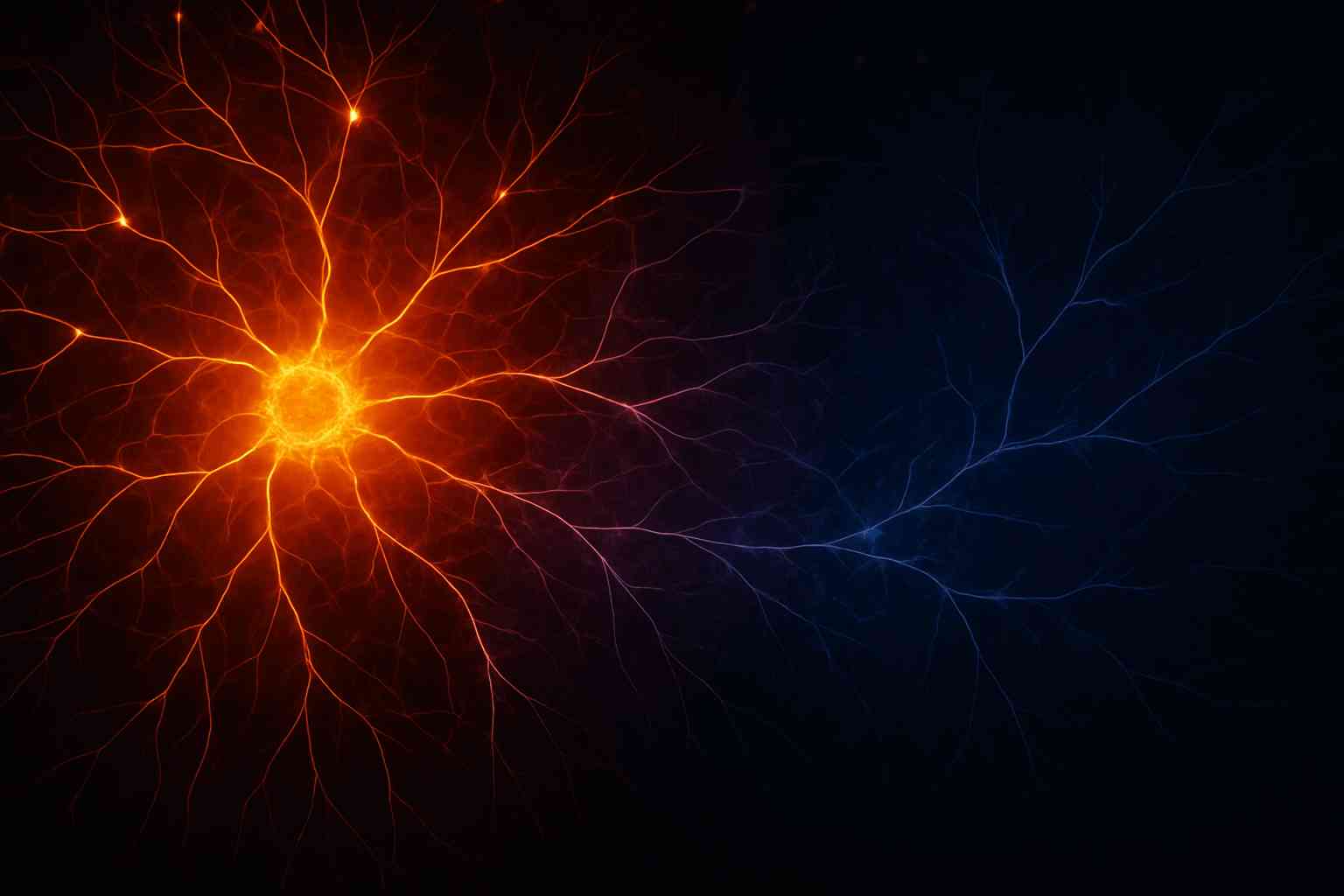
Neural pathways showing dopamine activity changes from addiction to withdrawal state
The Science Behind All This Madness
Here's what's actually happening in your brain: Substances change the way your brain works, which makes it hard to stop taking a substance, even if you want to
The Dopamine Connection
Nearly every addiction works the same way:
- You do something that releases dopamine
- Your brain goes "Ooh, that's nice!"
- You repeat the behavior
- Your brain adjusts by reducing natural dopamine
- Now you NEED the behavior just to feel normal
- Try to quit? Your brain throws a tantrum
Gambling withdrawal occurs when the brain is deprived of a dopamine-stimulating substance for a longer period. Same goes for every other addiction on this list.
Red Flags You're Heading for Withdrawal
- You need more of something to feel the same effect
- You feel anxious when you can't have it
- You've tried to quit but couldn't
- You hide your use from others
- You keep using it despite the problems it causes
How to Survive Withdrawal (Without Losing Your Mind)
1. Don't Go Cold Turkey (Seriously)
Withdrawing from alcohol and benzodiazepines is indeed very dangerous if done alone at home without medical support
2. Get Professional Help
For serious addictions, medical supervision is crucial. A full medical detox has been proven to be the safest and most successful way of arresting a drug addiction
3. Support Strategies That Actually Work
- Exercise: Natural dopamine boost (unless you're addicted to that too)
- Sleep: Your brain needs time to rewire
- Nutrition: Feed your brain properly
- Support groups: You're not alone in this
- Therapy: Especially CBT (Cognitive Behavioral Therapy)
4. The Timeline Truth
Most withdrawals follow this pattern:
- Days 1-3: The worst physical symptoms
- Week 1-2: Peak psychological symptoms
- Month 1-3: Gradual improvement
- 3-6 months: Most symptoms resolved
But some, like withdrawal symptoms lasted significantly longer for SSRIs, averaging 90.5 weeks. That's almost two years!
The Bottom Line
Withdrawal isn't just for "real" addicts. Your brain doesn't care if your drug of choice is heroin or Hershey's, it just knows something's missing and it's pissed about it.
The good news? Understanding what's happening makes it easier to push through. The bad news? It still sucks.
But here's the thing: every single person who's made it through withdrawal will tell you the same thing – it's worth it. The clarity, the freedom, the feeling of actually being in control of your own brain again? Priceless.
So whether you're trying to quit smoking, stop scrolling, or break free from any other addiction, remember: those weird symptoms aren't permanent. Your brain is incredibly adaptable. It got you into this mess, and with time and support, it can get you out.
You're stronger than your cravings. Even when it feels like you're not.



Be the first to show love! 🚀
Start something amazing - your support inspires creators!